Inquiry

Contact Us

Download Brochure

×
Get In Touch

We're dedicated to helping business grow and succeed. With years of industry experience and a passion for problem-solving, we offer top-level consulting service tailored to your unique needs.

instagram-thumb3

© 2026 SNJ Labs Pvt. Ltd. All Rights Reserved. | Privacy Policy

How Iron Sucrose Helps in Iron Deficiency Treatment

Understanding How Iron Sucrose Supports Iron Deficiency Treatments

By Jignesh Akbari, Director | Published by SNJ Labs Pvt. Ltd.

Iron deficiency anemia remains one of the most frequently reported hematological disorders across clinical settings, which is why treatments involving Iron Sucrose continue gaining pharmaceutical relevance. Oral iron supplementation still dominates first-line treatment protocols, yet the therapeutic response often becomes inconsistent in patients with impaired gastrointestinal absorption, chronic inflammatory conditions, or severe renal dysfunction.

The limitation is pharmacokinetic. Conventional oral formulations rely completely on intestinal uptake, while many patients already exhibit compromised absorption pathways. Repeating these dosages can even introduce gastrointestinal intolerance, which reduces adherence over time. Intravenous iron replacement bypasses these barriers completely.

Among available formulations, Iron Sucrose, also referred to as Iron Saccharate, has gained significant pharmaceutical relevance because of its controlled iron release profile and favorable tolerability.

Pharmaceutical Structure of Iron Sucrose

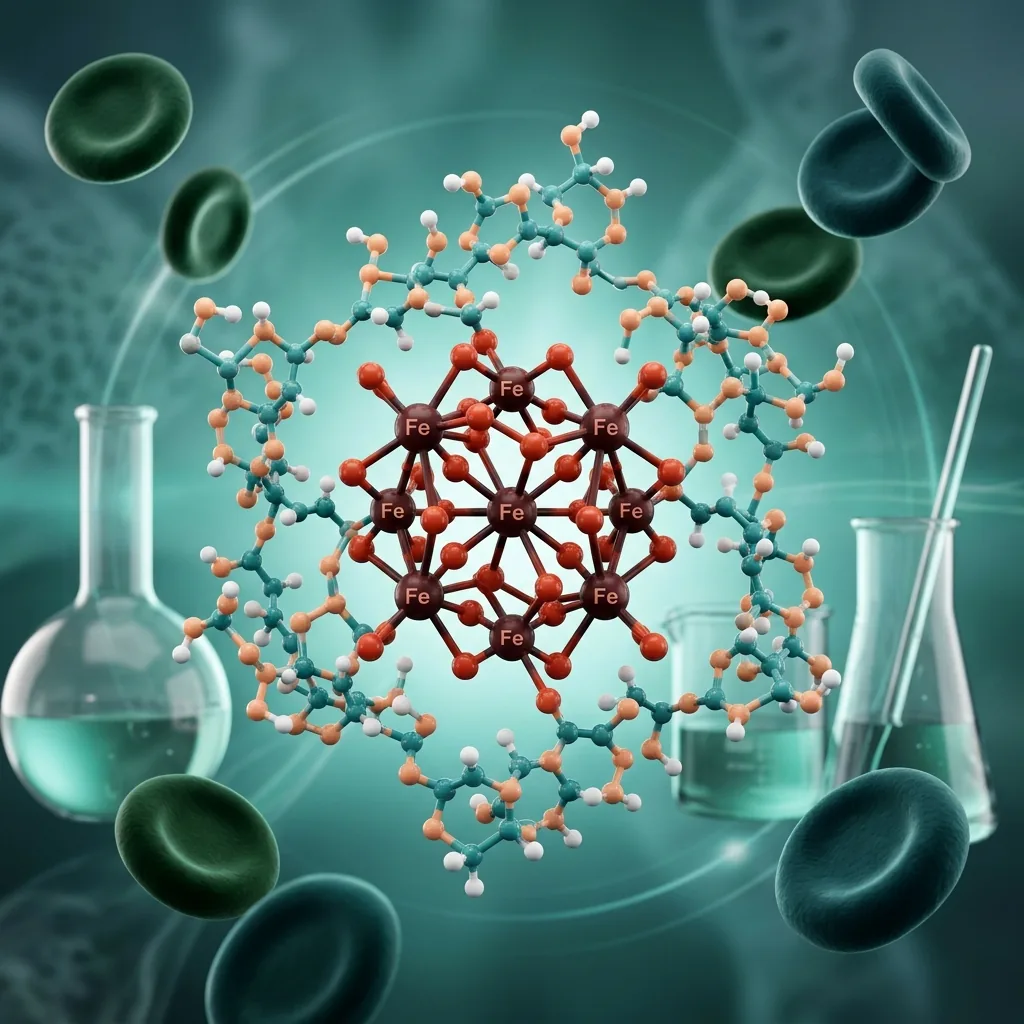
Iron sucrose (CAS 8047-67-4) is a polynuclear iron(III)-hydroxide complex stabilized with sucrose molecules and developed particularly for intravenous injection. Its molecular structure is engineered to retain elemental iron within a stable carbohydrate shell during systemic circulation. The stability is important.

High molecular instability in older intravenous iron compounds often resulted in rapid dissociation and elevated free iron toxicity. Iron Sucrose behaves differently. Once processed by the reticuloendothelial system, the iron is released more steadily instead of entering circulation too aggressively at once. That controlled release leads to lower oxidative stress and reduces the chances of severe hypersensitivity reactions linked with highly reactive iron complexes.

The idea behind the formulation is to restore iron levels safely without creating excessive free iron exposure in the bloodstream.

Why Oral Iron Therapy Often Stops Working

Oral iron supplements help many patients, but the response can become unpredictable in day-to-day clinical practice. Some people simply do not absorb enough iron through the digestive tract, while others struggle to continue treatment because of ongoing stomach-related side effects.

A few issues are seen repeatedly:

  • checksnausea, constipation, or stomach discomfort
  • checksweak absorption in celiac disease and bowel inflammation
  • checkshigher iron demand during CKD treatment with erythropoietin
  • checksdifficulty staying consistent with long dosing schedules
  • checksslower recovery after severe anemia or blood loss

In situations like these, oral therapy may no longer improve iron stores adequately, which is why intravenous iron replacement is often introduced later in treatment.

Mechanism of Action After Intravenous Administration

After infusion, Iron Sucrose moves through the bloodstream and is taken up mainly by cells in the liver, spleen, and bone marrow that help manage iron storage inside the body.

The iron is then released gradually instead of all at once. It binds with transferrin and gets transported to the bone marrow, where new red blood cell production begins improving again. Any unused iron is stored as ferritin for later use.

This slower release behavior is one reason Iron Sucrose is generally better tolerated than some older intravenous iron formulations.

Therapeutic Applications Across Clinical Segments

Iron Sucrose gradually became a preferred option in intravenous iron therapy because it offered more consistent iron replacement with fewer tolerance concerns than many older formulations.

Usually, the therapeutic applications involve:

  • checks Chronic Kidney Disease (CKD): Hemodialysis patients experience recurrent iron depletion combined with erythropoietin-driven iron demand. Intravenous supplementation supports faster hemoglobin correction.
  • checks Gastrointestinal Disorders: Crohn’s disease, ulcerative colitis, and malabsorption syndromes significantly reduce oral iron effectiveness.
  • checks Post-Surgical Recovery: Rapid iron restoration is often required after major surgical blood loss where oral supplementation becomes clinically insufficient.

Hospitals also favor Iron Sucrose because administration protocols generally avoid mandatory test dosing associated with certain dextran-based formulations.

API Manufacturing Standards and Pharmaceutical Quality

In injectable iron formulations, API consistency matters more than most formulation teams initially expect. Even small shifts in iron strength or stability can create issues later during batch processing.

At the dedicated facilities of SNJ Labs, Iron Sucrose batches go through routine evaluation for iron consistency, stability, and physicochemical parameters before supply.

For companies involved in large-scale injectable manufacturing, maintaining consistent batches over time is often as important as meeting immediate procurement targets. Production delays linked with inconsistent API quality can become difficult to manage once manufacturing schedules are fixed.

SNJ Labs also works with formulation teams on technical documentation, specification support, and product-related discussions for Iron Sucrose.